
Biomethane.
The power of the organic.
Biomethane is presented as a clean and essential energy alternative in the transition to a more sustainable future.

The development of this energy source not only supports policies against climate change, reducing dependence on fossil fuels and greenhouse gas emissions, but also promotes energy self-sufficiency of countries, guaranteeing their security of supply.
In addition, biogas production is the best example of circular economy and biomethane can take advantage of existing gas transport and distribution infrastructures.
Why Ingenium?
Success stories
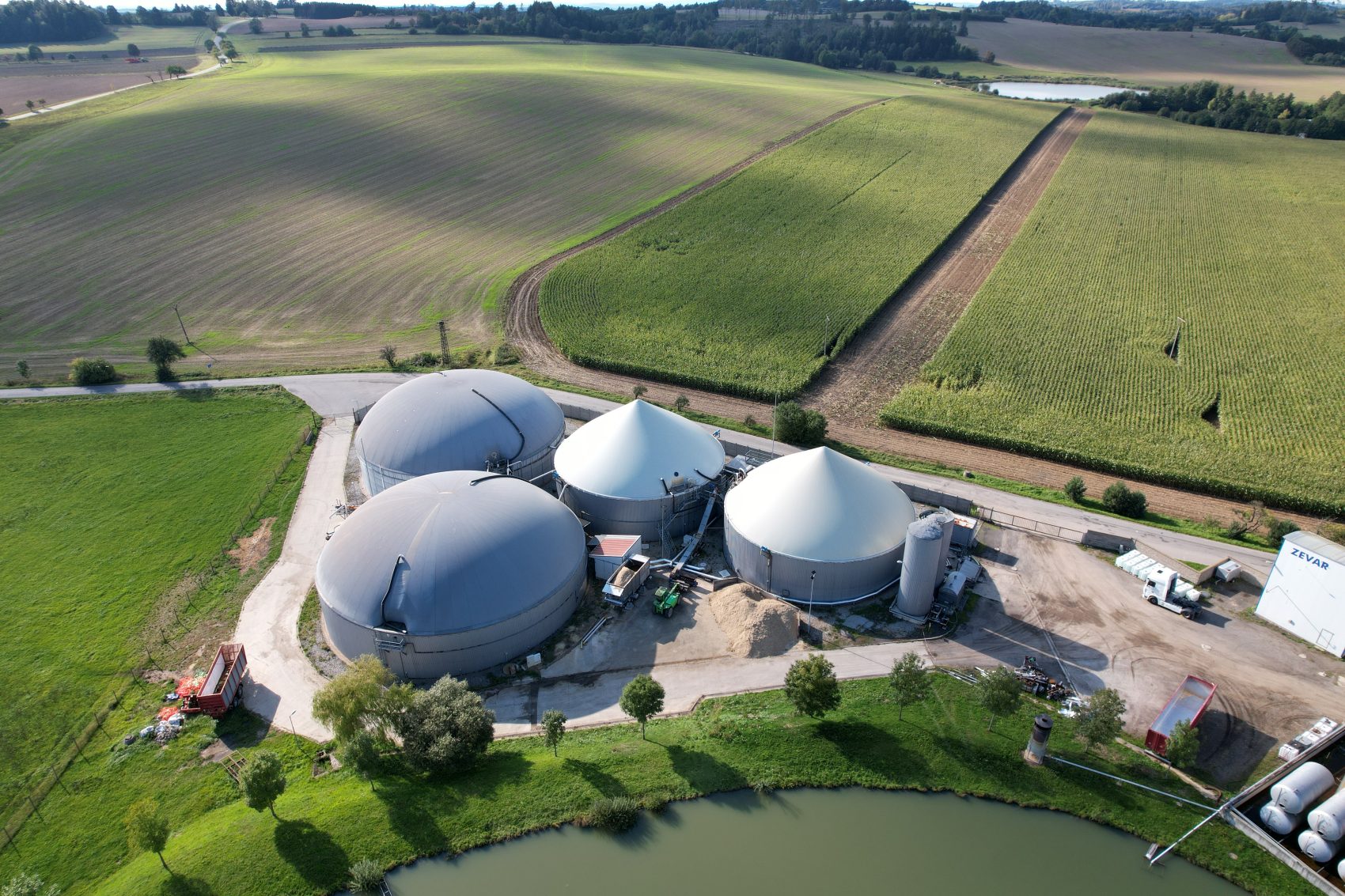
Biogas, biogas production, biomethane. biomethane production, bioenergy, green power, renewable facility, energy production
Typology · Biomethane
Biomethane Production · 49,7 GWh
Waste Management · 105.000 T/y
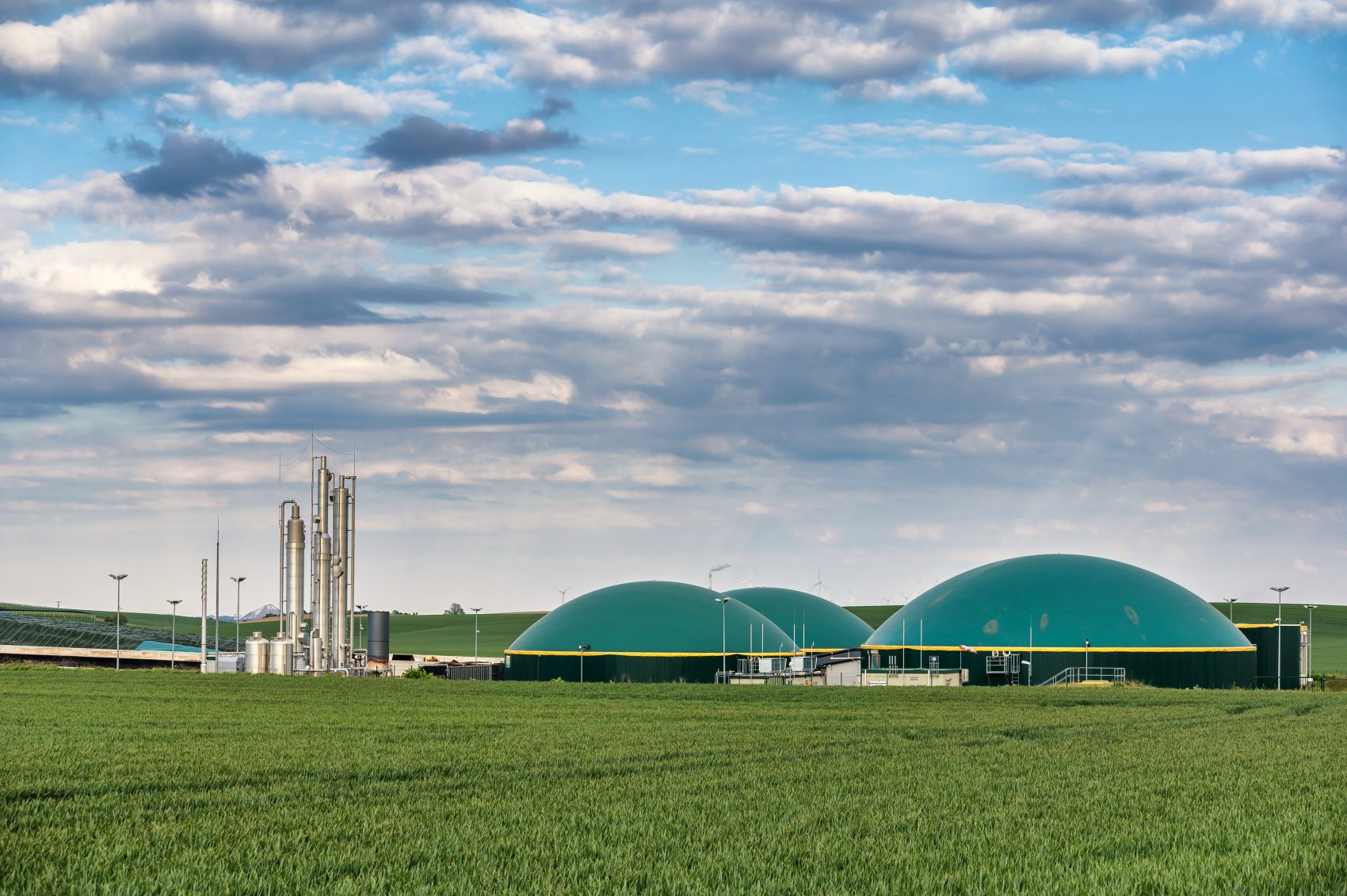
Biogas, biogas production, biomethane. biomethane production, bioenergy, green power, renewable facility, energy production
Typology · Biomethane
Biomethane Production · 48 GWh
Waste Management · 85.000 T/y
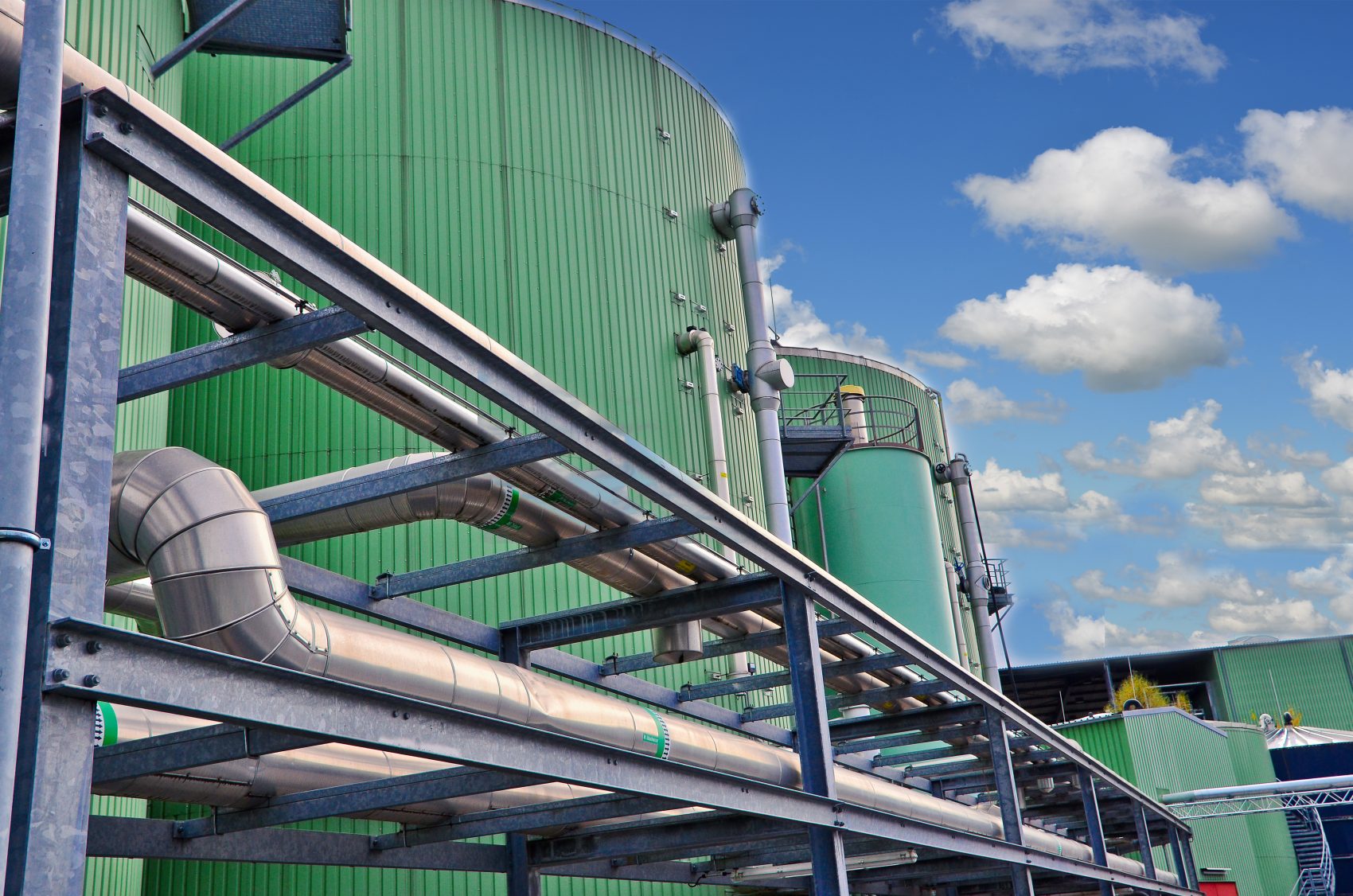
Biogas, biogas production, biomethane. biomethane production, bioenergy, green power, renewable facility, energy production
Typology · Biomethane
Biomethane Production · 49,4 GWh
Waste Management · 95.000 T/y
FAQs
These projects convert organic waste into renewable gas that can be used as clean energy. In addition, they help reduce emissions and add value to the resources available on the farm.
To install a biomethane plant, suitable land is required, with easy access and enough space to store and process the organic material. The location is strategically chosen based on the availability of raw materials and proximity to the gas network.
It reduces the accumulation of manure and other waste, improves nutrient management, and offers an alternative source of complementary income. In addition, the process generates stabilized digestate, a by-product with valuable agronomic applications that contributes to a more sustainable and environmentally friendly operation.
With extensive experience in developing renewable energy projects, Ingenium guarantees regulatory compliance, technical safety, and a clear and transparent collaboration model. Our commitment is the success of the project and profitability for all parties.
The location of these plants is carefully studied to ensure they respect the environment, agricultural and/or livestock activity, and promote a positive local impact. The goal is harmonious integration with the landscape and the community.
Digestate is the solid and liquid residue remaining after biomethane production. It is a nutrient-rich stream, mainly used for agronomic purposes, either through direct use on nearby land or by recovering and concentrating its nutrients, thus closing the cycle and sustainably improving crop productivity.